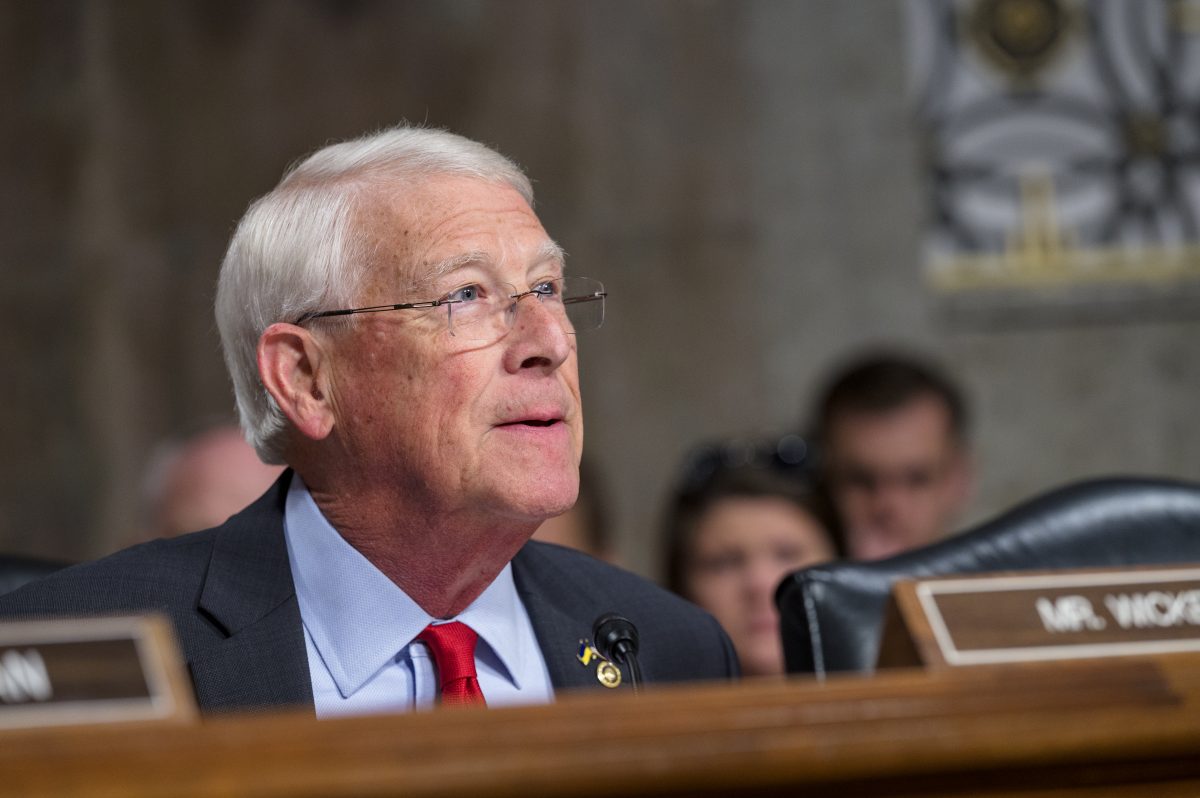
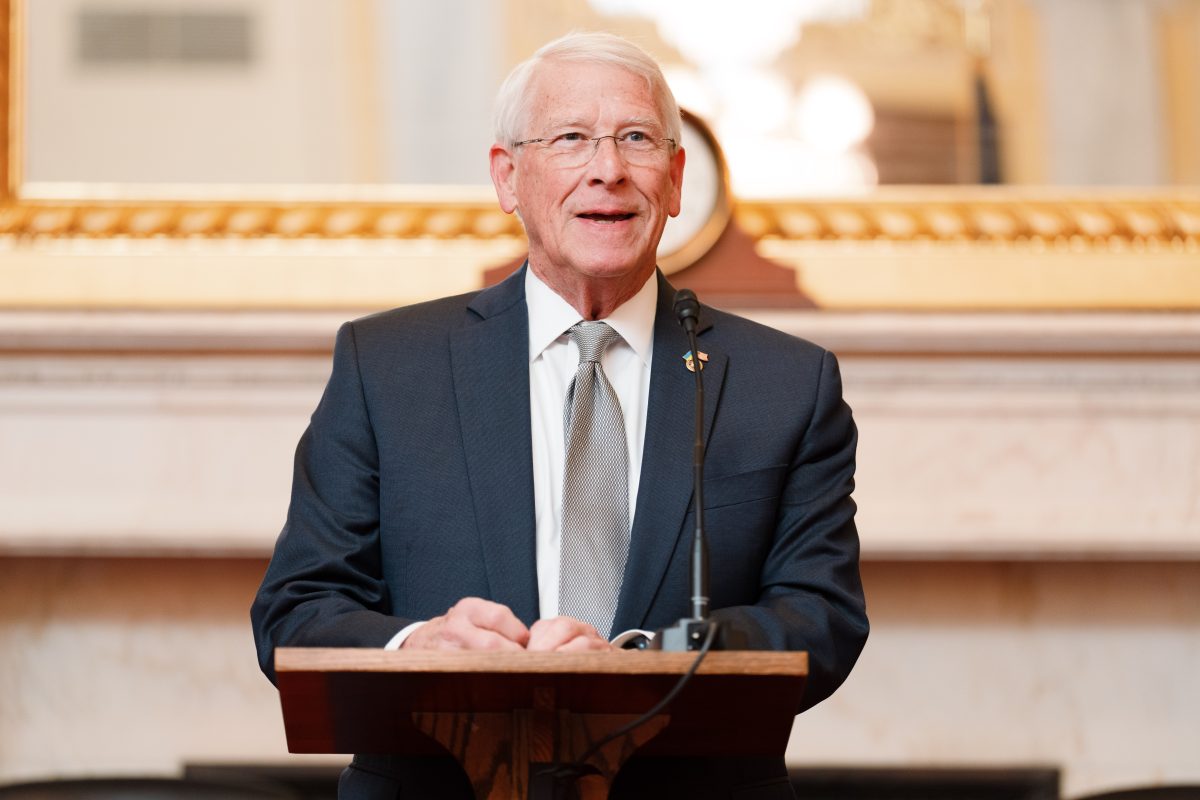
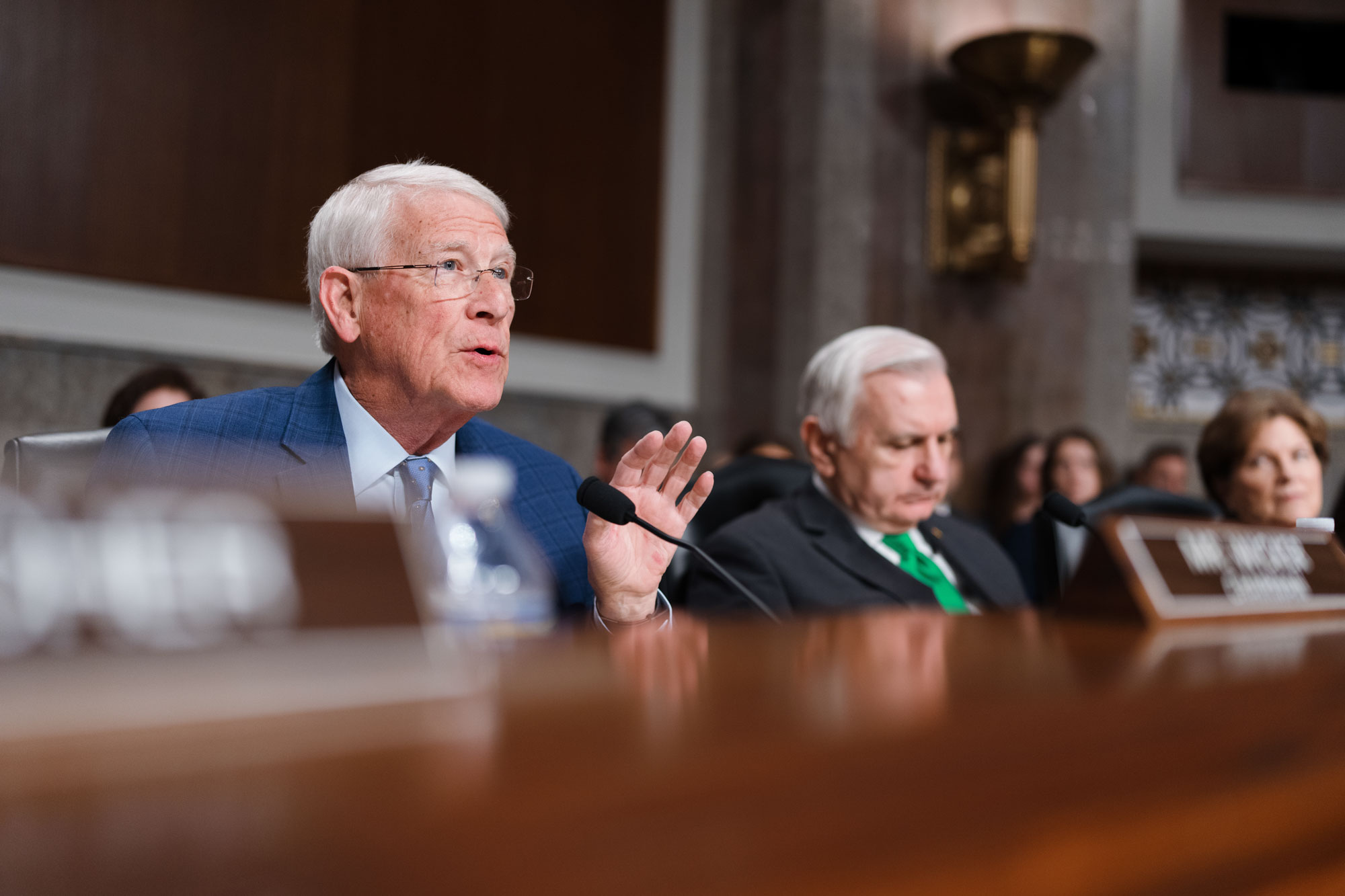
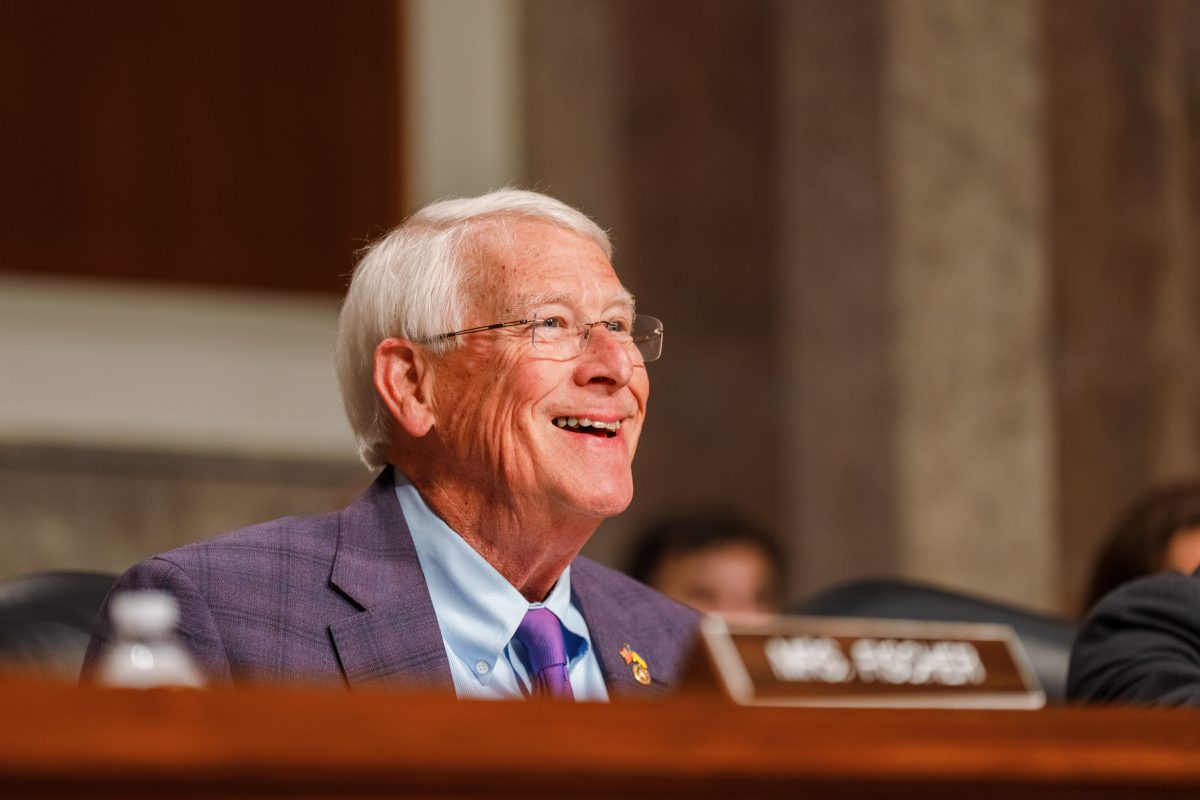
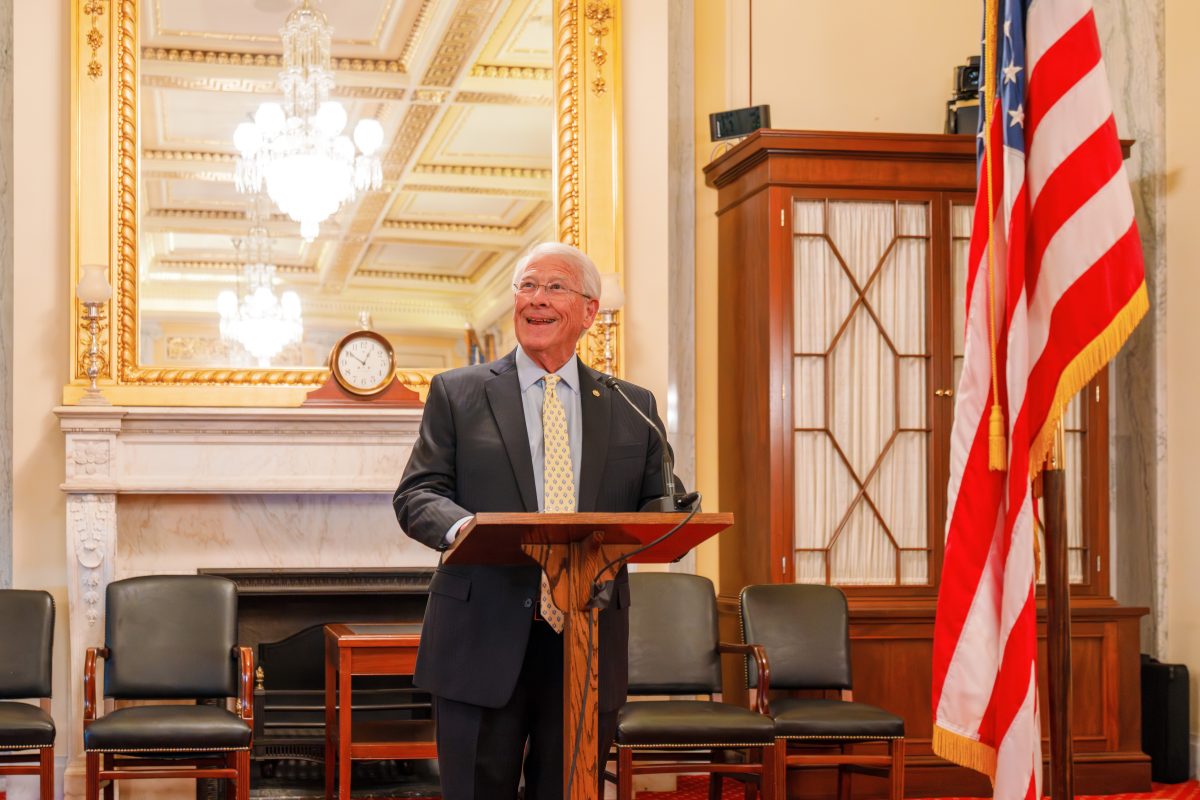
Washington — Today, U.S. Senator Roger Wicker, R-Miss., Chairman of the Senate Armed Services Committee, delivered remarks on the floor of the U.S. Senate, outlining the increasing tempo of Chinese aggression.
In his speech, Chairman Wicker addressed the Chinese Communist Party’s (CCP) support for Iran, religious persecutions, and international coercion. The chairman encouraged President Trump to raise these points of contention during this week’s bilateral summit.
- Chairman Wicker: “The president might inquire about the purposes of China’s massive military build-up, or about China’s clear support for Iran. This summer, it was all over the press that China gave Iran satellite imagery intelligence, and that intelligence led to the death of American troops.”
- Chairman Wicker: “For nearly a decade, Xi Jinping has consigned more than a million Uyghurs to concentration camps in China’s Xinjiang region. I hope our president will take this visit as an opportunity to advocate for the Uyghur people. The fact that they remain in prison by the millions is a grave injustice and a reminder of Xi Jinping’s many human rights abuses.”
- Chairman Wicker: “I know the president intends to discuss trade and artificial intelligence with the Chinese leadership—and rightfully so. Perhaps some progress will be made. But, Mr. President, during every minute of dialogue, our commander-in-chief should keep in mind that his guest is a brutal, unelected, and oppressive dictator who seeks to dominate his neighbors and whose massive military arsenal is aimed directly at the United States of America.”
Click here to watch Chairman Wicker’s full remarks.
Read the full speech below, as delivered:
Chinese President Xi Jinping arrives in town tomorrow for a highly anticipated state visit—and quite frankly, had the White House asked me for advice, I would have suggested the president not invite Xi Jinping to Washington for such a lavish welcome here in the United States of America, based on all of the troubling issues we have with President Xi and the Chinese Communist Party. But, in light of the fact that the Chinese Communist President is coming to the United Staes, I want to take a moment to suggest a list of topics that the President might mention during the summit.
As we know, A proper state visit requires a proper state dinner. Again, I would not have scheduled such a thing, but as guests converse over the meal, the president might inquire about the purposes of China’s massive military build-up, or about China’s clear support for Iran. This summer, it was all over the press that China gave Iran satellite imagery intelligence, and that intelligence led to the death of American troops. So, I would certainly suggest that the President try to get an answer to that.
And while President Trump and President Xi are talking, perhaps Mr. Trump could bring up the Uyghur people. For nearly a decade, Xi Jinping has consigned more than a million Uyghurs to concentration camps in China’s Xinjiang region. I hope our president will take this visit as an opportunity to advocate for the Uyghur people. The fact that they remain in prison by the millions is a grave injustice and a reminder of Xi Jinping’s many human rights abuses.
And after asking about the Uyghur people, the president should mention China’s persecution of all manner of religious groups: to include Tibetan Buddhists, Christians, and those practicing Falun Gong. In July, President Trump successfully advocated for the release of Pastor Ezra Jin. Why not suggest releasing all imprisoned Christians and allowing all people of whatever faith to worship freely?
And then, President Trump might ask why China openly coerces Japan, Taiwan, and the Philippines. The Chinese dictator works hard to intimidate America’s allies in the East China Sea, the Taiwan Straits, and the Second Thomas Shoal. China also bullies, jails, and otherwise silences dissidents. When meeting with Xi in May, President Trump advocated for Jimmy Lai, the Hong Kong newspaper publisher Xi has kept locked in solitary confinement. Why has Mr. Lai been locked up? His crime was speaking freely in Hong Kong. I hope Mr. Trump will again ask for the release of the frail, elderly Mr. Lai and all those imprisoned by the Chinese Communist Party in Hong Kong and elsewhere.
Perhaps over the salad course of the dinner, our president could ask Xi Jingping about the Chinese navy’s harassment of Filipino fisherman and sailors and about China’s abuse of its neighbors. Perhaps he could ask Mr. Xi why he invents military disputes and then resolves them by military force—or attempts to resolve them.
And then I hope the president will inquire about Xi Jinping’s interference in the internal affairs of nations around the world—perhaps we could bring up Chinese exploitation of African countries and Latin American nations with debt-trap diplomacy and election meddling.
And while the servers are switching from chardonnay to cabernet at the fancy state dinner, perhaps, the president could turn to Xi’s so-called reunification with China, reunification of China with Tawain—his wish that Taiwan become a part of mainland China. In the strong Chinese leader’s view of the future, should the freely elected government of Taiwan expect the same treatment that the people of Hong Kong have experienced—the loss of their freedom the world has seen over the past three decades since reunification with Hong Kong?
I know the president intends to discuss trade and artificial intelligence with the Chinese leadership—and rightfully so. Perhaps some progress will be made. But, Mr. President, during every minute of dialogue, our commander-in-chief should keep in mind that his guest is a brutal, unelected, and oppressive dictator who seeks to dominate his neighbors and whose massive military arsenal is aimed directly at the United States of America.
###