Protect America by Stopping Putin Now
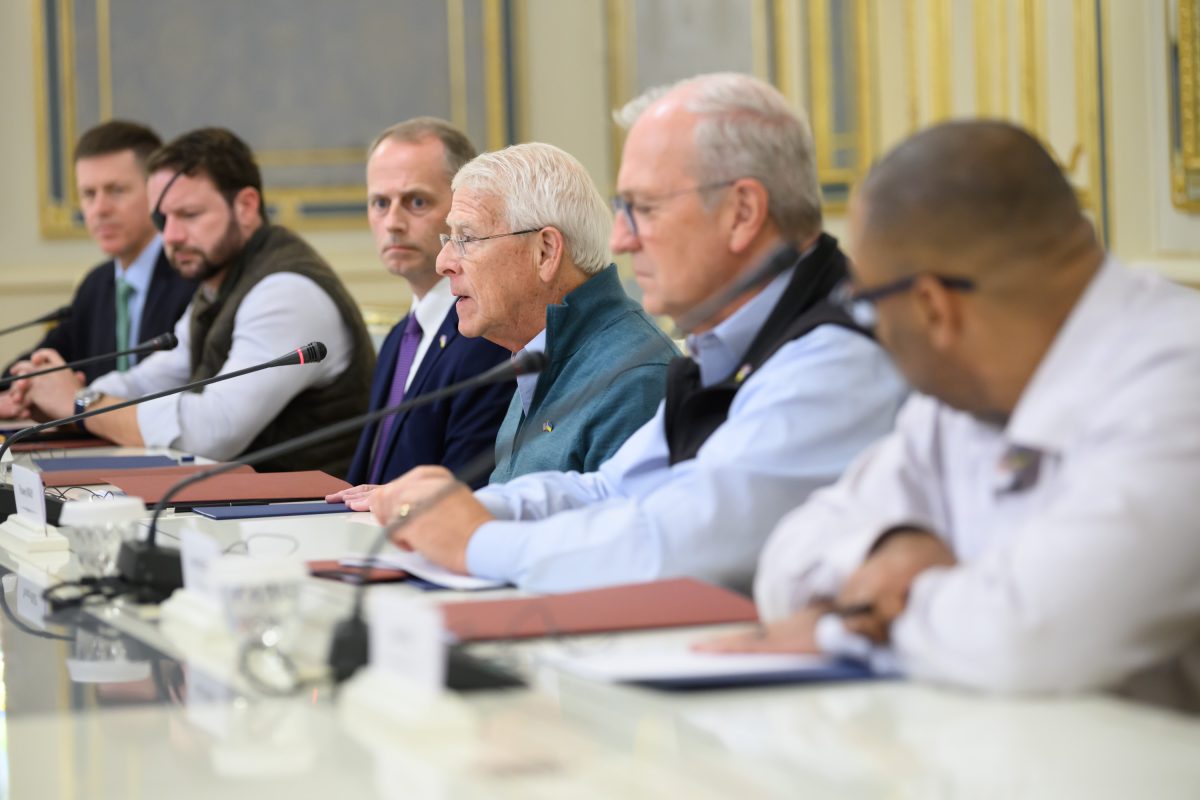
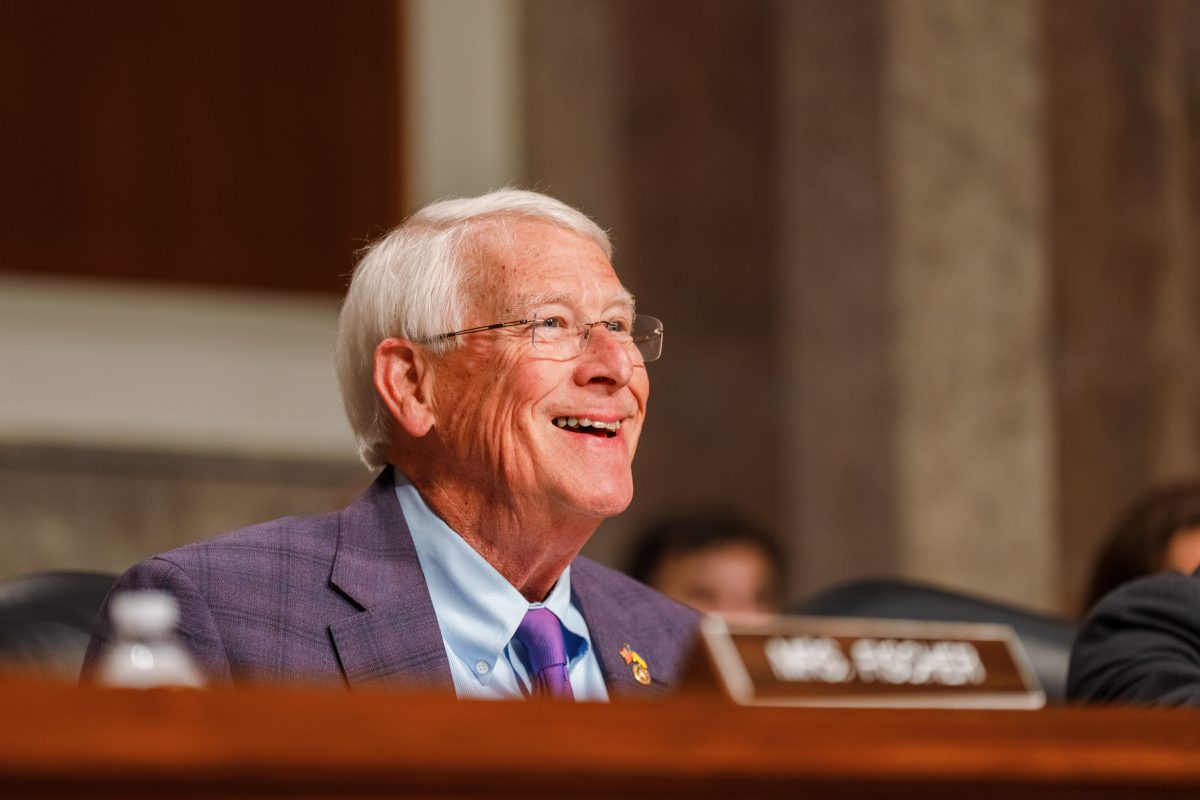
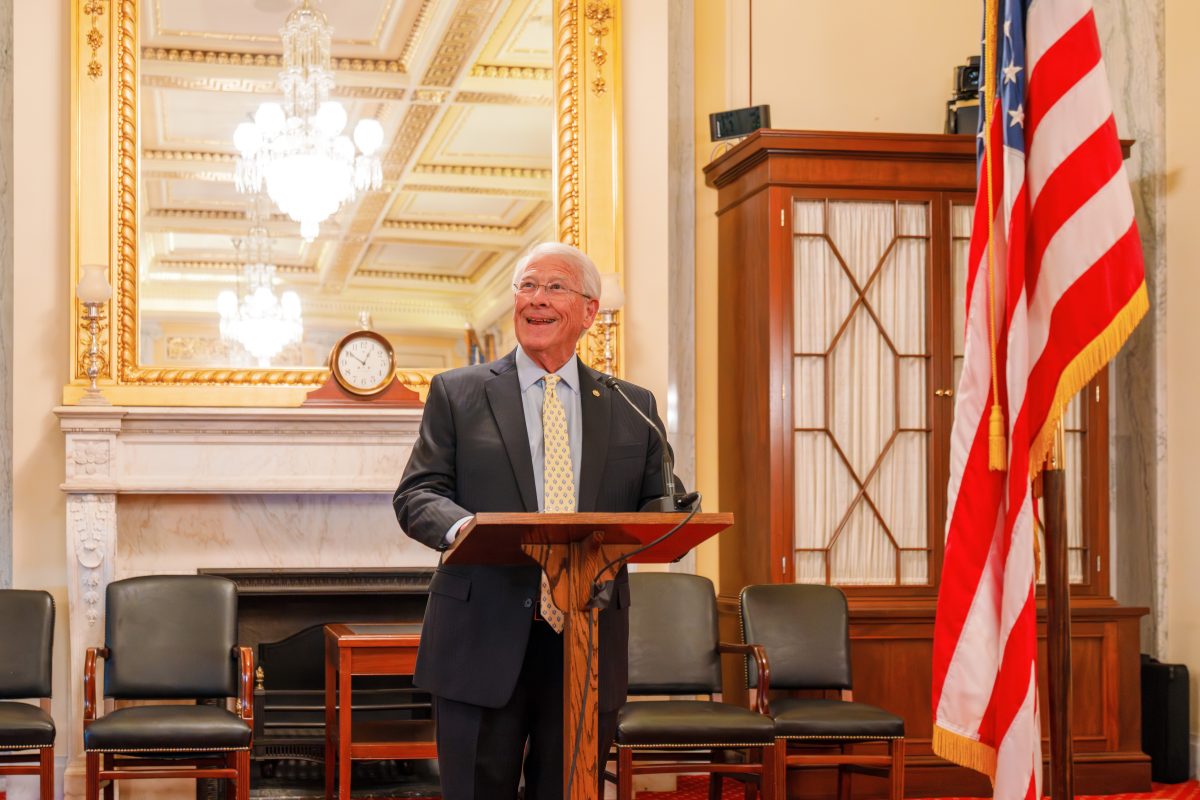
The first half of October was packed with a flurry of diplomatic activity between the United States and Europe. For my part, I led a delegation of lawmakers to Andorra, Ukraine, and Poland. We carried a clear message: Shared values unite our nations, Russian tyrant Vladimir Putin is attacking that bond, and it is in America’s interest to stop him in his tracks.
Understanding the Threat to U.S.
The plains of Ukraine are half a world away from the woods, hills, and coastline of Mississippi. Yet that nation is a vital link in the chain of our national defense. Eight in ten Americans view Russia as a threat to American security, and they are correct: Russian victory would weaken America and draw us into further conflict. If Putin is not stopped, he will go further—into nations we are treaty bound to defend.
We do not need to send a single American soldier to Ukraine. But in 1994, we promised to assist the country if it came under attack from Russia. America is strong when we keep our word. Helping Ukraine defend itself today can bring an enduring end to Putin’s war and blunt his attacks on the free world.
Russia’s threat to America and our allies dominated our conversations abroad, including at a gathering of the Organization for Security and Cooperation in Europe (OSCE). In Congress, I chair the commission that represents the United States in the OSCE, which facilitates discussions on security, commerce, and human rights.
At the meeting, I spoke with three young adults who had escaped Russian-occupied Ukraine. They described dire conditions under Putin’s rule, including compulsory attendance at Russian indoctrination schools. Putin has kidnapped at least 20,000 children and is systematically brainwashing even more. On a mass scale, he is working to wash away their Ukrainian identity—a textbook definition of genocide.
Stopping Putin Now, Not Later
Those outrageous crimes were impossible to forget as our delegation left Andorra and approached the warzone. I traveled to Kyiv in my capacity as the Chairman of the Senate Armed Services Committee.
Our delegation met with Ukrainian President Volodymyr Zelensky and his defense team, who briefed us on their country’s fight for freedom. We discussed shared Ukrainian and American efforts to stop Putin now, so we do not have to stop him again. We agreed that Starlink remains an important tool to protect Ukrainians against Putin’s attacks on civilians and critical infrastructure. And we made progress on expanding allied production of air defense interceptors.
During the visit, the delegation got a first-hand look at Ukraine’s impressive defense manufacturing sector, which is now a world leader. American manufacturers and military personnel are learning from Ukraine’s innovations, especially in drone warfare.
The day after we left Kyiv, Putin launched a barrage of missiles and drones against the city. He has since launched more—in direct violation of President Trump’s declaration of an energy ceasefire, which Ukraine observed in vain for several days. Putin has also been using sabotage and assassination in Germany, Poland, and elsewhere to test the resolve of America and its allies in the North Atlantic Treaty Organization (NATO).
Peace Through Allied Strength
In our final stop, Warsaw, Poland, I was encouraged to see that NATO stands resolute against Russia. Four-star U.S. General Alexus Grynkewich, commander of American and NATO forces in Europe, made it clear that our alliance wants peace but will not take threats lying down. He said plainly, “If someone is foolish enough to attack us, we will fight.” I am pleased that most of our European allies are meeting Russia’s aggressive provocations with action, not simply words.
That action is possible because of renewed unity among our allies. This month, Secretary of State Marco Rubio made this point in a speech in front of the Greek Acropolis. He reminded us that the free world was born in that birthplace of democracy and that Europe and America are bound to one another still. He clarified our shared mission, saying, “We must strengthen an alliance capable of confronting threats of our age.” As I return from Europe, I could not agree more.
###