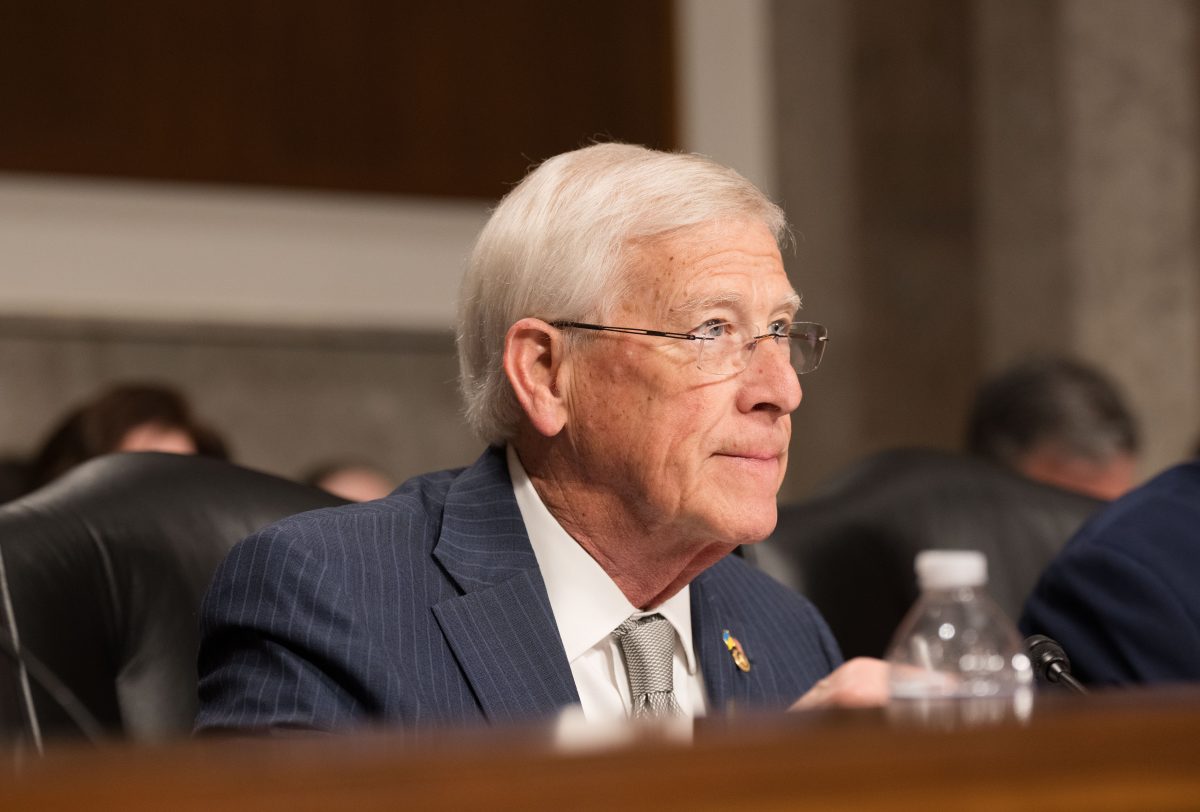
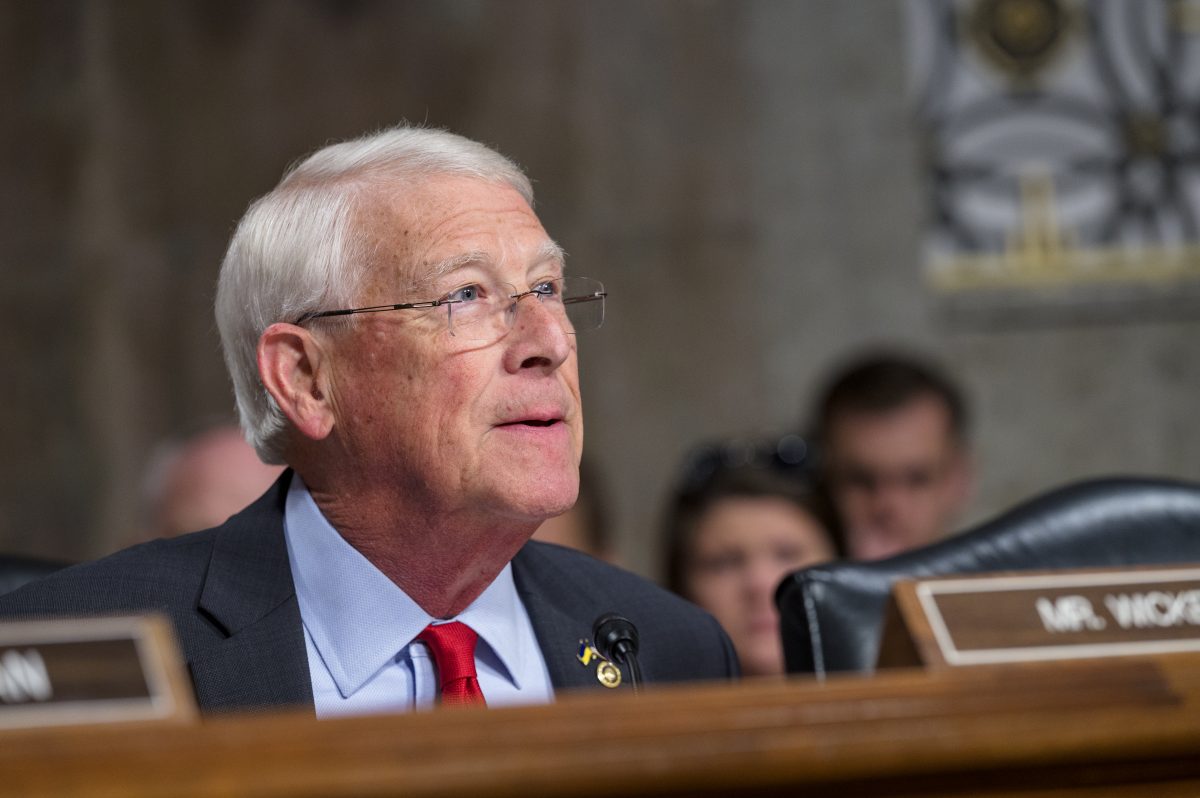
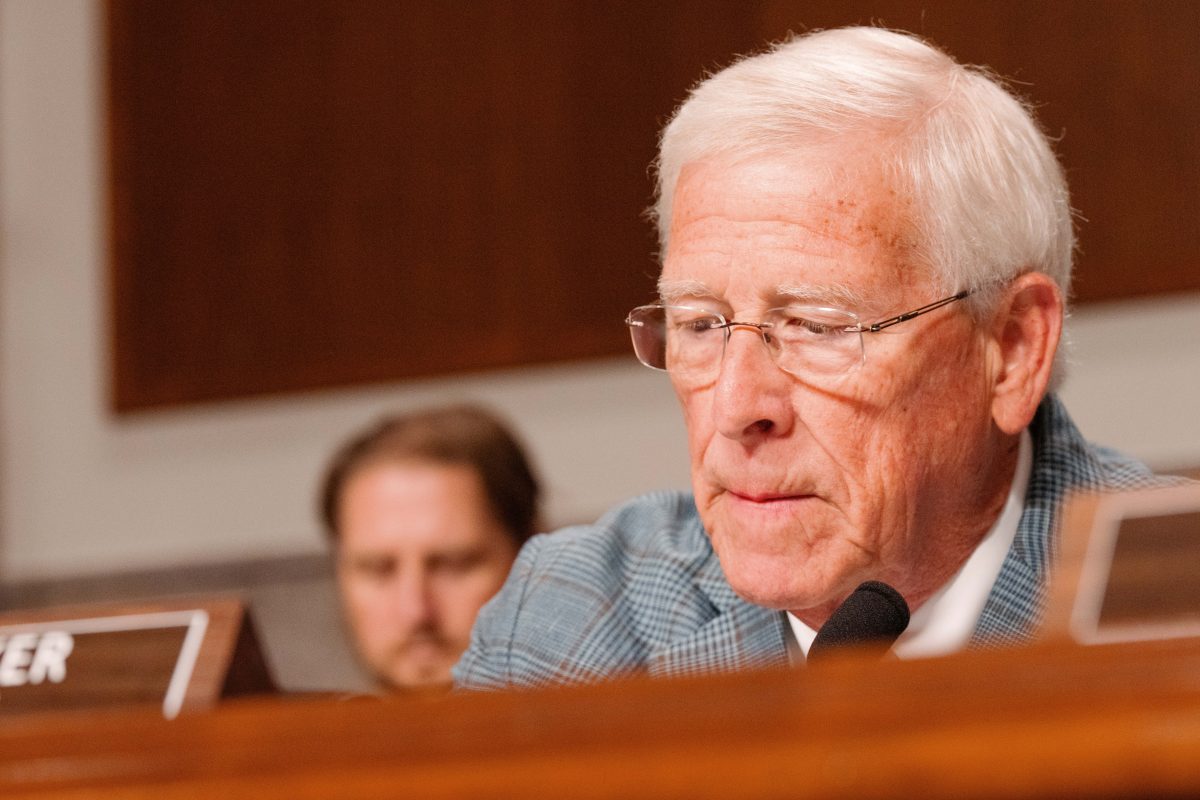
WASHINGTON – The U.S. Senate Committee on Commerce, Science, and Transportation this week advanced two bills authored by U.S. Senator Roger Wicker, R-Miss.: the Cooperative Institute Act of 2026 (S. 5332) and the Marine Aquaculture Research for America (MARA) Act (S. 2586).
Earlier this year, Senators Wicker, Hyde-Smith, R-Miss., Cantwell, D-Wash., and Hickenlooper, D-Colo., introduced the Cooperative Institute Act of 2026. The senators’ bill would codify and modernize the National Oceanic and Atmospheric Administration’s (NOAA) research partnerships at colleges and universities across the country. Mississippi State University, the University of Southern Mississippi, and Jackson State University have all partnered with NOAA in this area of study.
“Mississippi universities are working on the cutting edge of many exciting scientific breakthroughs, made possible through cooperation with NOAA. The Cooperative Institute Act of 2026 will bring stability to several research projects that have been indispensable to storm tracking efforts and our coastal industries,” said Senator Wicker.
Senator Wicker introduced the MARA Act along with Senator Brian Schatz, D-Hawaii, to expand aquaculture along the Mississippi coast and beyond, to support workforce development in this field, and to reduce the U.S. seafood trade deficit. Currently, a complex web of regulatory barriers prevents offshore aquaculture projects from operating in federal waters. Senator Wicker’s bill seeks to remedy this issue by streamlining the permitting process and establishing an assessment program through NOAA to authorize offshore demonstration projects.
“The Mississippi coast is blessed with an abundance of marine life, yet burdensome regulations keep us from tapping into its full potential,” said Senator Wicker. “The MARA Act will open up more aquaculture opportunities in our waters, as my colleagues recognized when the Commerce Committee advanced this important legislation.”
The Marine Aquaculture Research for America (MARA) Act would:
- Establish an Office of Aquaculture within the National Marine Fisheries Service (NMFS) to coordinate implementation, outreach, research, best management practices, regional aquaculture activities, and regulatory and scientific issues
- Establish a NOAA assessment program and authorize commercial-scale offshore aquaculture demonstration projects to evaluate environmental, technological, operational, and commercial viability
- Authorize 10-year demonstration permits, renewable for an additional decade, subject to eligibility criteria, public notice and comment, reporting, environmental safeguards, and NOAA authority to modify or terminate projects
- Require coastal state review under the Coastal Zone Management Act, establish a process for governors to object to offshore aquaculture operations in adjacent federal waters, and minimize interference with existing fishing access and recreational activities
- Designate NOAA as the lead federal agency for permitting coordination, establish a unified interagency permitting and review process, consolidate National Environmental Policy Act (NEPA) review where permissible, and establish timelines for permit coordination and decisions, including congressional reporting requirements for delays
- Support aquaculture marketing, workforce development, regional technical assistance, information sharing, and access to capital through existing programs, while promoting sustainable aquaculture feed sourcing, including alternatives to wild fish
- Require a National Academies study and a Government Accountability Office report on the environmental, economic, regulatory, and operational viability of offshore aquaculture and potential future regulatory approaches
- Preserve existing federal and state permitting authorities and clarify that demonstration permits issued under the Act do not replace other authorizations
###