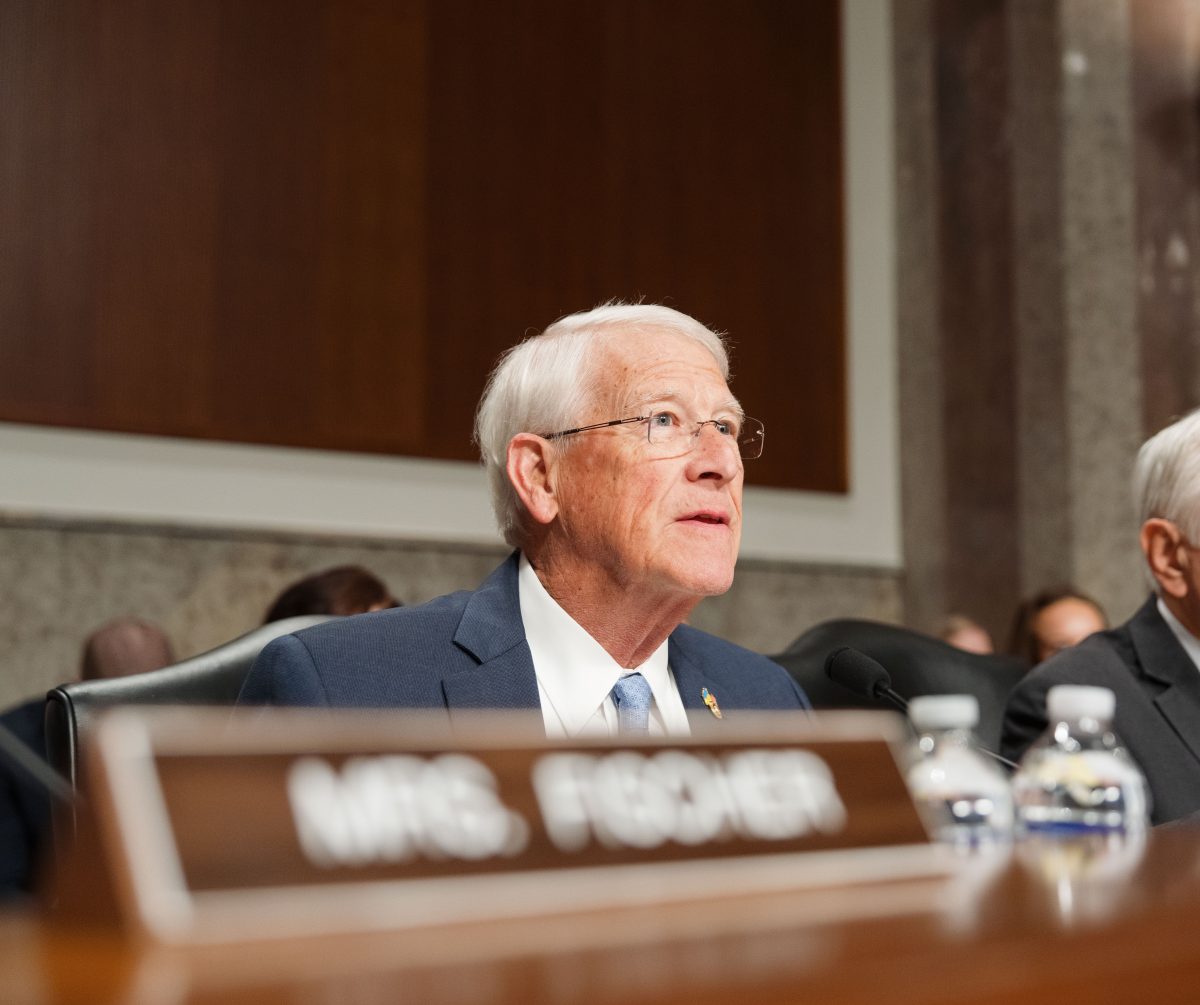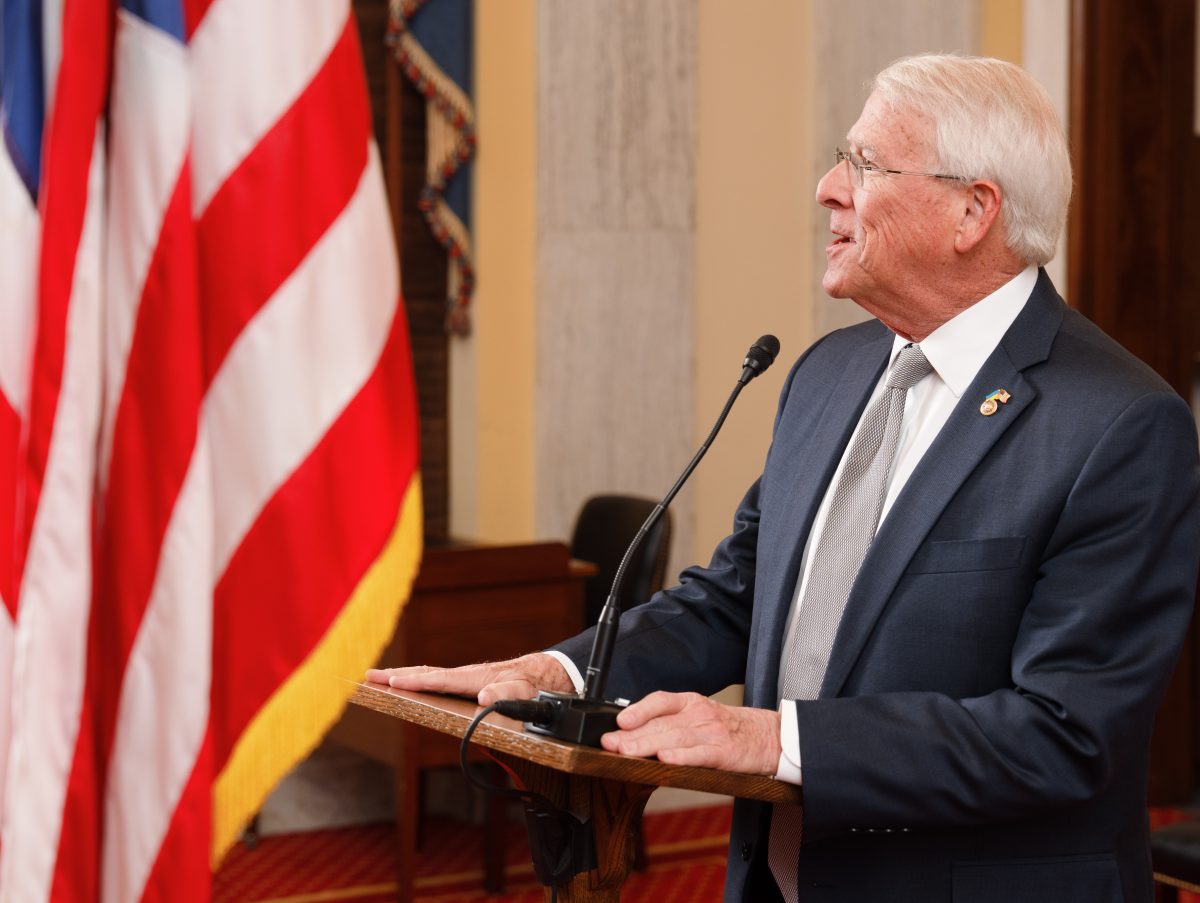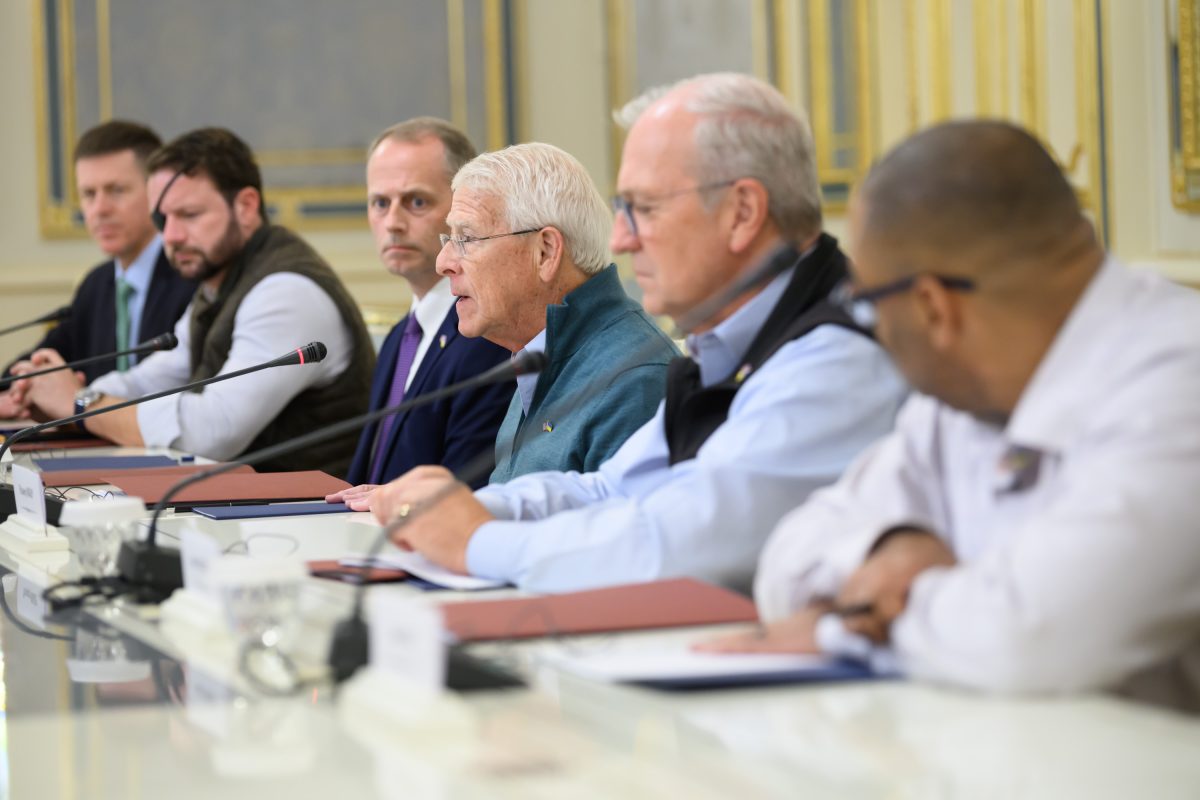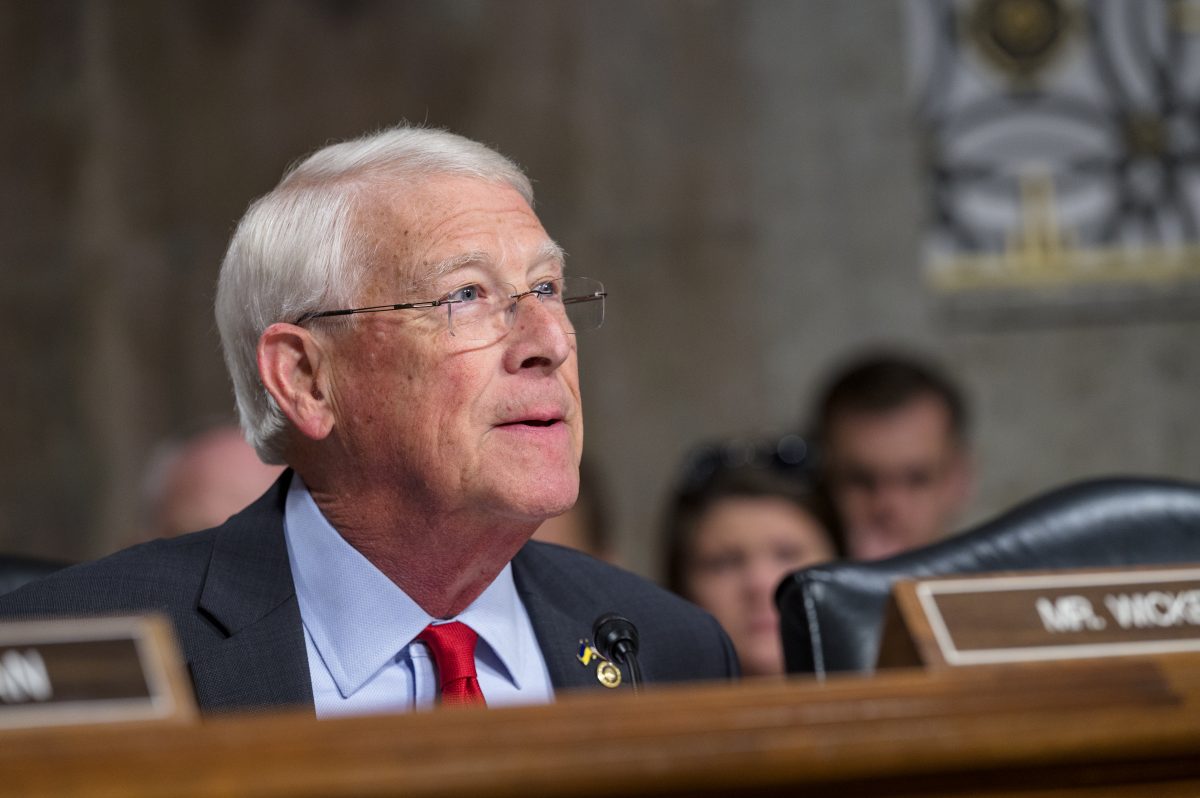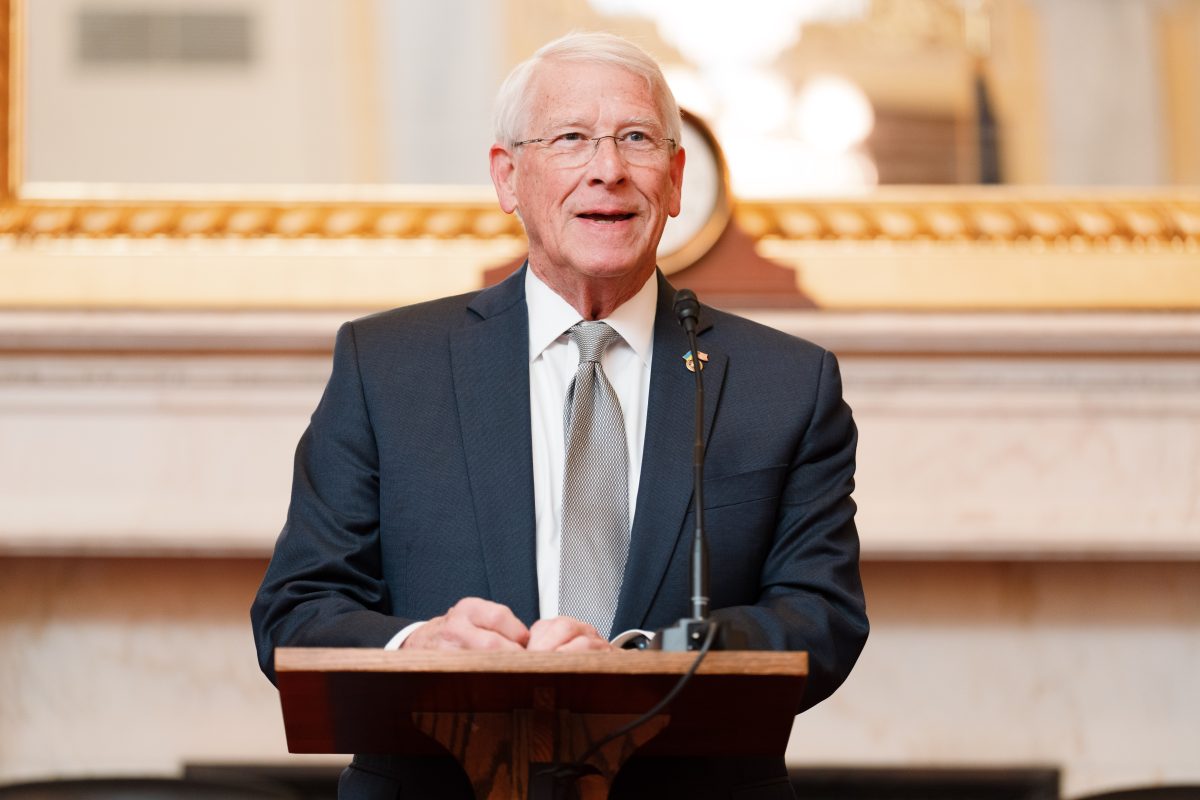
WASHINGTON – U.S. Senator Roger Wicker, R-Miss., Chairman of the Senate Armed Services Committee, today led a hearing to examine the posture of U.S. Special Operations Command and U.S. Cyber Command amid escalating cyber threats to U.S. critical infrastructure and the evolving role of special operations forces in global competition.
Admiral Frank Bradley, Commander of United States Special Operations Command, and General Joshua Rudd, Commander of United States Cyber Command and Director of the National Security Agency, both testified before the committee. Derrick Anderson, the Assistant Secretary of Defense for Special Operations and Low-Intensity Conflict (SOLIC), and Katherine Sutton, the Assistant Secretary of Defense for Cyber Policy, also testified before the committee.
In his opening remarks, Chairman Wicker emphasized the urgent need to modernize and strengthen U.S. cyber and special operations forces in response to escalating threats from China, Russia, and other adversaries. He also highlighted the critical role of U.S. Cyber Command in defending critical infrastructure, and U.S. Special Operations Command in executing global crisis response missions.
Read Chairman Wicker’s hearing opening statement as delivered.
We meet today in open session to receive testimony on the posture of?United States Special Operations Command and United States Cyber Command. We are joined by Admiral Mitch Bradley, Commander of United States Special Operations Command, General Joshua Rudd, Commander of United States Cyber Command and the Director of the National Security Agency. Mr. Derrick Anderson, Assistant Secretary of Defense for Special Operations and Low-Intensity Conflict, and Ms. Katie Sutton, Assistant Secretary of Defense for Cyber Policy.
Recent operations, including Absolute Resolve, Midnight Hammer, and Epic Fury, represent a watershed moment for American military power. Each operation wove cyber effects into the fabric of joint force operations at the beginning of planning. Consequently, our cyber operators were able to illustrate the potential of these capabilities as a force multiplier unlike any other. We must ensure that the lessons learned from recent operations are fully digested and integrated into our doctrine and planning.
However, we cannot allow these successes to lull us into complacency. Cyber threats are immediate, persistent, and they are escalating. Every day, our adversaries target America’s critical infrastructure and government networks. They are advancing their capabilities to outpace and out compete our forces in cyberspace, and we must not allow that.
To keep up with these threats, we must redouble our efforts to modernize and strengthen American cyber forces. Doing so requires us to make fundamental updates to the way the military services generate, organize, and sustain cyber forces. This effort is as ambitious as it is necessary. The Pentagon has launched a department-wide initiative, CYBERCOM 2.0, to increase the skill and readiness of our cyber forces. This initiative is simple – just like any other military service, we need a well-trained pipeline of cyber operators supported by a whole range of acquisition professionals – and we do not have that today. Perhaps we will have testimony about how far along we are.
Our cyber operators are working overtime, and we are not ready to generate new forces to replace them. I am troubled that this effort is not moving fast enough. Current operations will always be priority number one, but we must ensure this pace is sustainable.
Our cyber operators are not the only highly specialized forces in demand. America’s special operations forces are more important now than ever before. No longer confined to their traditional role as a force of last resort, special operations forces often serve as a first choice across the full spectrum of military action.
Special operations forces conduct direct action against high-value targets, as we witnessed during the raid to apprehend Nicolas Maduro from his heavily fortified compound outside of Caracas. They train and advise partner forces, building capacity and strengthening alliances across Latin America, Europe, and the First Island Chain. They gather intelligence against our adversaries in hostile environments. They respond to crises worldwide at a moment’s notice. And they operate in the gray zone between peace and war, the context in which much of today’s strategic competition unfolds.
However, the funding provided to Special Operations Command has not kept pace with the seemingly insatiable demand for its capabilities. The command faces a troubling gap between its mission requirements and available resources, and I do think there is consensus on both sides of the dais and both sides of the aisle to correct that as soon as we can.
Last year, General Bryan Fenton, then-Commander of Special Operations Command, stated before this committee, “We continue to grapple with years of flat budgets, a 14 percent decrease in buying power, significant personnel reductions, and the requirement to evolve our technology and authorities. All this forces trade-offs, tough choices that challenge current missions and [put] modernization at risk.” Ladies and gentlemen, unfortunately, the $1.6 billion increase in last year’s reconciliation funding was not fully applied to the purposes for which Congress intended it. Perhaps we can discuss that today.
This morning, I look to Admiral Bradley and Secretary Anderson to tell this committee what they need. I hope they will tell us how to equip their force to combat the advanced militaries of China and Russia, to remain fully engaged in the fight against violent Islamic terrorism, and to respond at a moment’s notice as our nation’s premier crisis response force.???